Something Borrowed, Something Bindhi: American Brides Are Swapping Bland Bachelorettes for Bollywood-Style Wedding Extravaganzas
Let's be honest for a second. The classic American bachelorette party — matching pink sashes, a limo to a wine bar, a scavenger hunt involving strangers — has been running on fumes for years now. Brides have been tolerating it, not loving it. And then something shifted.
Somewhere between a viral Instagram reel of a Mumbai bride dancing through a cloud of marigold petals and a TikTok of a mehendi ceremony that looked more cinematic than most Hollywood productions, American women started asking a very reasonable question: Why is our version so boring?
The answer, apparently, is that it doesn't have to be anymore.
The Bollywood Bridal Takeover Is Very Much Real
Wedding planners across the US are reporting a surge — and we're not talking a polite uptick, we're talking a full-on flood — of non-South-Asian brides requesting Bollywood-inspired pre-wedding celebrations. From Chicago to Charlotte, from Austin to Atlanta, brides who have zero personal connection to Indian culture are hiring desi vendors, booking bhangra instructors, and commissioning henna artists for multi-day wedding weekends that would feel completely at home in a Mumbai five-star ballroom.
Nisha Mehta, a wedding planner based in the Dallas-Fort Worth area who has built her brand around South Asian celebrations, says she started fielding calls from non-desi clients about three years ago. Now, roughly 40 percent of her inquiries come from outside the community entirely.
"They see these weddings on social media and they want that feeling," she says. "The color, the rituals, the dancing that goes on for three days straight — it's not just a party, it's an experience. American weddings, at their most traditional, can feel a little flat in comparison. Brides are done settling for flat."
Henna Nights Are Having Their Mainstream Moment
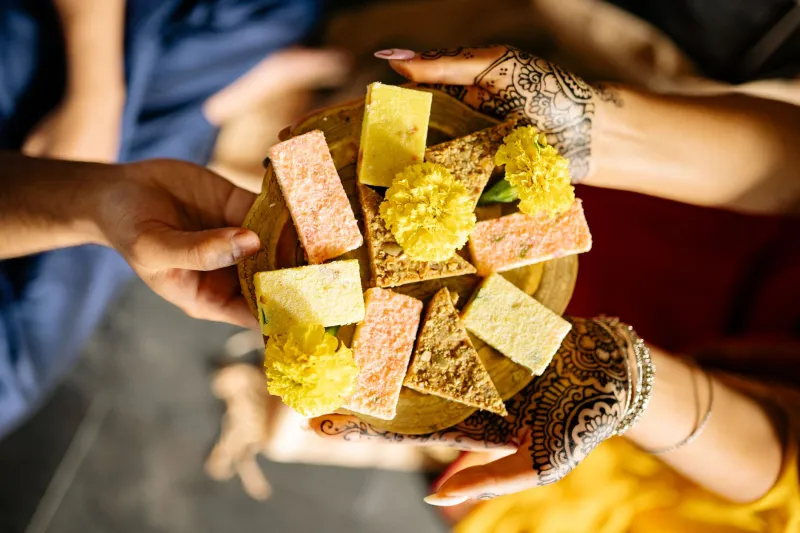
If there's one ritual that's crossed over harder than any other, it's the mehendi ceremony. What was once an intimate, culturally specific tradition — brides and their closest women gathering to have intricate henna designs applied while singing and storytelling — has evolved into one of the hottest pre-wedding event formats in the country.
Henna artists who used to work primarily within South Asian communities are now booked out months in advance for bridal parties that are entirely non-Indian. The appeal isn't just aesthetic, though the designs are undeniably stunning. It's the slowness of it. In a culture where bachelorette parties have become logistical marathons of bar-hopping and group coordination, sitting together for hours while something beautiful is drawn onto your skin feels almost radical.
Jennifer Okafor, a bride from Nashville who got married last spring, hired a henna artist for her bridal party after seeing a mehendi night on a wedding blog. "I'm not Indian at all — my family is Nigerian-American — but I've always been drawn to how intentional these ceremonies feel. We spent four hours together, just talking and laughing while we got our henna done. It was the most connected I felt to my bridesmaids the entire weekend."
Garba, Bhangra, and the Dance Floor That Never Quits
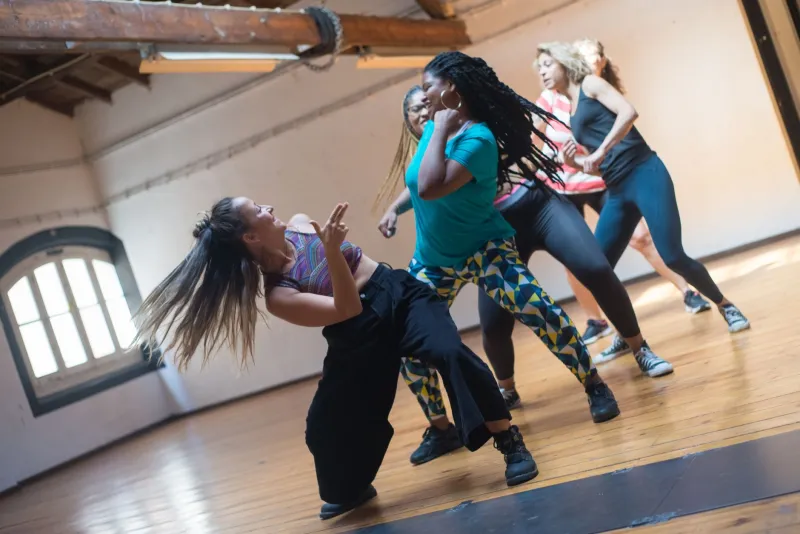
If mehendi nights are the quiet, intimate heart of the Bollywood wedding weekend trend, the dancing is its very loud, very energetic soul. Garba — the circular, rhythmic folk dance traditionally performed during Navratri — and bhangra, the high-energy Punjabi dance style, are both finding massive new audiences in American bridal celebrations.
Dance studios offering crash-course garba and bhangra workshops for bridal parties are popping up in cities with significant South Asian populations, and even in places where you'd least expect it. Studios in Minneapolis, Portland, and Raleigh are reporting fully booked weekend workshops through the entire wedding season.
"Nobody is trying to appropriate anything," says Ravi Sharma, who runs a bhangra workshop series in the Chicago area. "They're coming in curious, respectful, and honestly? Incredibly enthusiastic. By the end of a two-hour session, everyone is sweating and laughing and completely hooked. That's the thing about bhangra — it doesn't care who you are. If you're moving, you're in."
The physical joy of these dance forms — the kind that leaves you breathless and grinning — is a significant part of the draw. American bachelorette parties have always had dancing, sure, but there's something different about learning a choreographed garba circle with your bridesmaids versus grinding at a club. One of those things becomes a story you tell for decades.
The Lehenga Inspiration Flooding Bridal Fashion
It's not just the rituals. The fashion of the Indian wedding world is seeping into American bridal aesthetics in ways that are genuinely changing what brides want to wear — not just for the wedding itself, but for every event surrounding it.
Lehenga-inspired silhouettes, bold jewel tones, heavy embroidery, and statement jewelry pieces borrowed from South Asian bridal traditions are showing up in engagement shoot wardrobes, rehearsal dinner looks, and bridal shower outfits. Brides who would never wear a traditional lehenga to their own ceremony are incorporating elements — a deeply embroidered blouse, a skirt in deep magenta, gold statement earrings — into their overall bridal wardrobe.
Desi boutiques and designers who cater primarily to South Asian clients are suddenly finding a new customer base knocking at the door. Several designers have quietly started offering fusion bridal pieces specifically designed to bridge the gap between Western bridal aesthetics and the opulence of Indian fashion.
Why Mumbai's Wedding Culture Hits Different
Part of what makes all of this so compelling is the underlying philosophy of an Indian wedding. A Mumbai-style wedding isn't just a party — it's a series of rituals, each one carrying meaning, each one designed to mark the transition from one phase of life to another. There's an emotional architecture to it that a standard American wedding weekend rarely achieves.
American brides, particularly younger millennials and Gen Z women who've grown up watching Bollywood films and consuming desi content online, are increasingly drawn to that depth. They want their wedding weekend to mean something. They want moments that feel sacred alongside moments that feel absolutely unhinged with joy. The Indian wedding, at its best, delivers both simultaneously.
Nisha Mehta puts it simply: "In a Mumbai wedding, your grandmother is crying and your cousin is doing the worm and somehow it all makes sense together. That emotional range — that's what people are chasing."
A Trend With Real Staying Power
This isn't a fleeting Pinterest moment. The numbers, the bookings, and the sheer enthusiasm of the brides themselves suggest that Bollywood-style wedding weekends have found a permanent home in American bridal culture. The desi vendors, planners, artists, and instructors making it happen are building real businesses on the back of this demand.
And honestly? If the alternative is another night of watered-down rosé and a "bride tribe" banner from Party City, the marigolds and mehendi are going to win every single time.
The white-dress affair had a good run. But the Bollywood wedding weekend just walked in wearing head-to-toe embroidery and honestly, it's not even a competition.