She's Back and She's Better: The Bollywood Actress Reinvention Stories That American Women Can't Stop Talking About

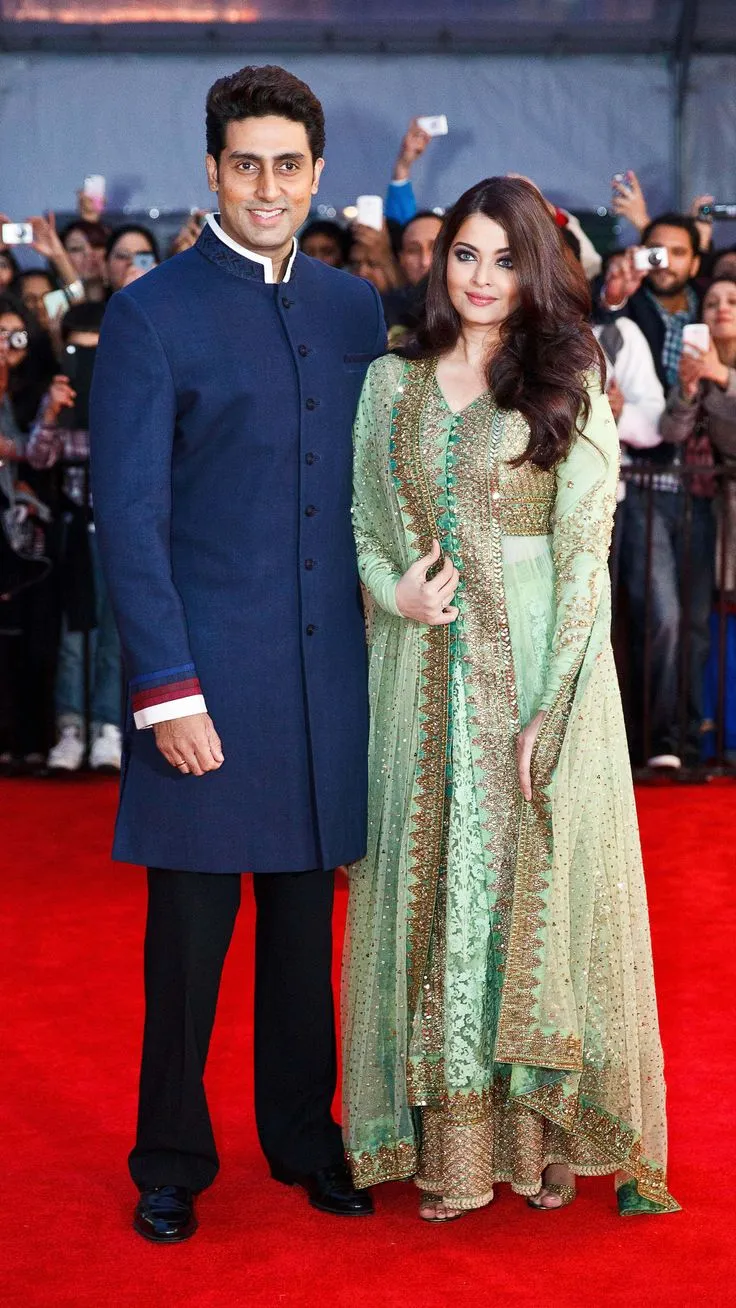
Photo: Bollywood actress powerful confident woman Indian film premiere elegant, via static.toiimg.com
Hollywood has a very specific story it likes to tell about women in entertainment after a certain age. It involves graceful transitions to supporting roles, the occasional prestige drama where aging itself is the subject, and a general cultural understanding that the era of being the story is probably behind you. It's not a cruel story, exactly. It's just a small one.
Bollywood, increasingly and defiantly, is writing a different story. And American women — particularly those navigating their own questions about reinvention, relevance, and what it means to evolve publicly — are paying extremely close attention.
The Reinvention as Spectacle
There's a particular electricity that surrounds a comeback done right. Not a desperate return, not a nostalgia play, but a genuine second act where the person returning is visibly more themselves than they were the first time around. Bollywood has been delivering this specific kind of electricity with remarkable frequency, and American streaming platforms have made those moments accessible to audiences who might never have otherwise encountered them.
Take Tabu. For a generation of American viewers who discovered her through The Namesake or Life of Pi, she was already a revelation. But her sustained, shape-shifting run through darker, more complex roles in recent Hindi cinema — morally ambiguous characters, antiheroes, women whose inner lives are genuinely difficult to categorize — represents something that Hollywood rarely offers an actress in her fifties: the chance to get weirder and better simultaneously.
On Reddit's r/Bollywood, which has a substantial and growing American membership, threads analyzing Tabu's career trajectory read like film school dissertations. The consensus is consistent: she's not just working, she's expanding. And that expansion is being watched by American women who want evidence that the trajectory is possible.
The Producer Pivot That Changed Everything
One of the most compelling reinvention narratives in contemporary Bollywood involves actresses moving behind the camera — not as a retirement strategy, but as a power grab. And it's working.
Anushka Sharma's production company, Clean Slate Filmz, has become one of the more interesting creative entities in Hindi cinema, responsible for projects that have challenged genre conventions and introduced new storytelling voices. The fact that she launched it while still actively starring in films — and while building a very public life as one half of one of India's most scrutinized celebrity couples — made the whole project feel like a statement about what a woman in her thirties could actually hold at once.
American women who follow Bollywood news through Instagram accounts and entertainment newsletters have responded to this particular narrative with something close to hunger. Comments sections on stories about female Bollywood producers regularly overflow with American readers expressing versions of the same sentiment: this is the kind of story I needed to see.
In a Hollywood landscape where female producers still fight for legitimacy that their male counterparts inherit automatically, watching Bollywood actresses build their own infrastructure has a genuinely inspiring quality that transcends cultural specificity.
When the Genre Change Is the Message
Some of the most talked-about reinventions in recent Bollywood history have involved actresses deliberately walking away from the kinds of roles that made them famous and choosing projects specifically because they were unfamiliar, uncomfortable, or risky.
Vidya Balan's career arc is practically a masterclass in this. Having established herself as one of Bollywood's most commercially reliable leading women, she spent a significant stretch of her career choosing roles that confused industry expectations — a woman investigating her missing husband's double life, a mathematician whose genius was historically erased, a character study so interior and demanding that it required audiences to do actual work. American viewers who encountered these films through Netflix's growing Bollywood catalog responded with the kind of enthusiasm that algorithms notice.
The pattern that emerges from these reinvention stories — and what seems to resonate most deeply with American audiences — is that the actresses making these moves aren't softening with age. They're sharpening. The commercial pressures that once required a certain kind of performance are being traded for something more stubborn and more interesting: the right to be difficult, complex, and fully realized on screen.
Why This Hits Different for American Women Right Now
Context matters. American entertainment culture is in a specific moment where conversations about ageism, about the shelf life assigned to women in public life, about who gets to be interesting and for how long — these conversations are everywhere and they're loud.
Against that backdrop, Bollywood's reinvention stories land with particular force. They're not theoretical. They're not aspirational in the abstract sense. They're documented, streaming, available to watch on a Tuesday afternoon, proof of concept in the most literal form.
Fashion and lifestyle content creators in the US who cover Bollywood have noticed the trend in their analytics. Videos and posts about Bollywood actresses' career reinventions consistently outperform pure gossip content in terms of saves and shares — the metrics that indicate someone found something worth returning to, worth sending to a friend, worth keeping.
'It's not just that these women are successful,' one New York-based content creator who covers South Asian entertainment told her audience in a widely shared video. 'It's that they're successful in ways that required them to trust themselves more than they trusted the industry. That's the part that gets people.'
The Deepika Factor
No conversation about Bollywood actress reinvention is complete without acknowledging Deepika Padukone's decision to speak publicly about her experience with depression — a move that was, in the context of Indian celebrity culture, genuinely seismic. The conversation it sparked, both within India and in South Asian diaspora communities across the US, reframed what vulnerability and public reinvention could look like for a woman at the peak of her industry power.
American audiences who followed that story didn't just respect it. They incorporated it into a larger narrative about what Bollywood's leading women represent: people who are navigating the same impossible expectations that their fans navigate, and finding ways to transform those pressures into something that looks, from the outside, like freedom.
The Ending That Isn't an Ending
What makes Bollywood's female reinvention stories so compelling — and so different from the Hollywood version — is that they resist the tidy conclusion. These aren't redemption arcs with clear endpoints. They're ongoing negotiations between a woman, her craft, her industry, and her own evolving sense of what she's capable of.
For American women watching from across an ocean, that open-endedness is exactly the point. The story isn't finished. The reinvention is still happening. And that means theirs can be, too.