Tiffin Time: How Mumbai's 130-Year-Old Lunchbox Army Is Revolutionizing the Way Americans Do Meal Prep
Tiffin Time: How Mumbai's 130-Year-Old Lunchbox Army Is Revolutionizing the Way Americans Do Meal Prep
Imagine a city of over 20 million people, a railway system that makes the New York subway look like a quiet Sunday stroll, and somehow — somehow — 5,000 workers manage to deliver roughly 200,000 home-cooked lunches every single day with an accuracy rate that Harvard Business School literally studied and wrote a case study about. That's not a tech startup. That's not an AI logistics company. That's Mumbai's dabbawalas, and they've been doing this since 1890.
Now, over a century later, their whole vibe — community, home cooking, zero food waste, and radical reliability — is quietly becoming the blueprint for how a new wave of American food entrepreneurs and everyday meal preppers are rethinking lunch.
So What Even Is a Dabbawala?
Let's back up for anyone who's new to this. Dabba means lunchbox in Hindi. Wala roughly means "one who does." So a dabbawala is, literally, a lunchbox person. Every morning across Mumbai, these workers — most of them from the Varkari community in Maharashtra — collect home-cooked meals from people's houses and transport them across the city via bicycle, handcart, and the legendary local train network. Lunch gets delivered to offices and workplaces, and the empty tiffin tins make the return trip home by evening.
No apps. No GPS. A coding system of colored chalk marks and symbols. And a Six Sigma-level error rate of roughly one mistake per 6 million deliveries. Let that sink in.
The philosophy behind it isn't just logistical genius — it's deeply human. The whole system is built on the idea that nothing beats a meal made at home, by someone who loves you, eaten in the middle of a hard workday. That emotional core? That's exactly what's resonating with Americans right now.
The American Meal Prep Scene Was Ripe for a Rethink
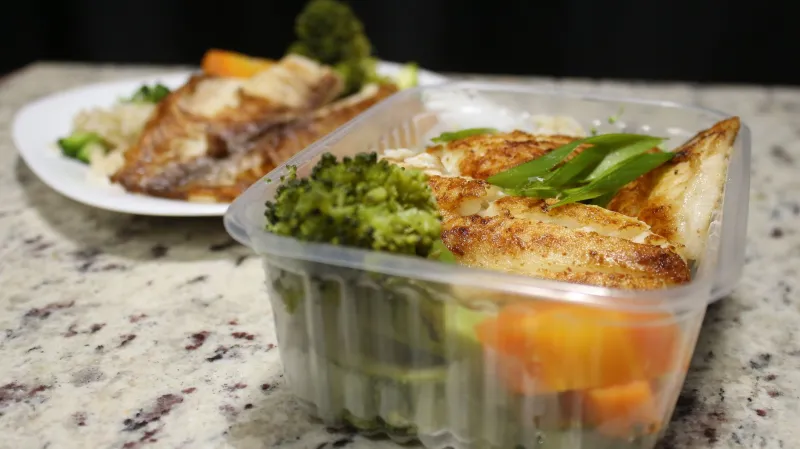
Let's be real: American meal prep culture has had a bit of an identity crisis lately. The late 2010s aesthetic of identical Tupperware containers filled with sad grilled chicken and steamed broccoli started feeling hollow. Meal kit services boomed, then plateaued. DoorDash made everything available but nothing feel meaningful. People were eating more conveniently than ever and somehow feeling less satisfied.
Enter the tiffin philosophy.
Chicago-based food entrepreneur Priya Mehta launched her company Tiffin Circle in 2022 with a simple premise: connect home cooks in South Asian communities with busy professionals who want real, made-from-scratch meals. "I grew up watching my mom pack my dad's dabba every morning," Mehta told us. "There was love in that. There was intention. That's what I wanted to bring to people who don't have that in their lives right now."
Tiffin Circle now operates across Chicago's North Side and has a waitlist that stretches into the hundreds. Mehta says her clientele isn't exclusively South Asian — about 40% of her subscribers identify as non-Indian Americans who found her through Instagram and simply wanted food that tasted like it came from someone's actual kitchen.
She's not alone. In the Bay Area, Dabba & Co. is doing something similar, pairing home cooks with local offices for weekly meal subscriptions. In New York, a collective called The Tiffin Network hosts monthly community cooking days where neighbors batch-cook and swap containers — a direct echo of the communal spirit that makes the Mumbai original tick.
TikTok's Tiffin Moment
On the social side, the dabbawala aesthetic has been quietly building steam. Search "tiffin meal prep" on TikTok and you'll find hundreds of videos of creators — many of them second-generation South Asian Americans — packing stacked steel tiffin containers with dal, sabzi, rice, and roti, and captioning it things like "eating like my nani taught me" or "the original meal prep was always desi."
Food creator @masalaandme (1.2M followers on TikTok) posted a video last spring showing her weekly tiffin prep routine set to a Bollywood soundtrack, and it racked up over 4 million views. The comments were flooded with non-Indian Americans asking where to buy steel tiffin boxes and how to make dal fry. "I didn't expect it to blow up like that," she said in a follow-up video. "People are just hungry — literally and emotionally — for food that means something."
Steel tiffin containers, by the way, are having a genuine moment on Amazon and Etsy. Searches for "Indian tiffin box" spiked 340% between 2022 and 2024 according to Google Trends data. The zero-waste angle is a huge part of the appeal — no plastic, no disposable packaging, just the same durable container your grandmother used.
Bring That Mumbai Kitchen Energy Home
You don't need to launch a startup to tap into the dabbawala spirit. Here's how to fold the philosophy into your own week:
1. Cook with intention, not just efficiency. The dabbawala system works because the food inside the dabba is made with care. Before you batch-cook on Sunday, think about what you actually want to eat that week — not just what's fastest to make.
2. Invest in a real tiffin. Swap your plastic containers for a stainless steel tiffin set. They keep food warmer longer, they're better for the planet, and honestly, opening one at your desk just feels different. Look for brands like Vaya, Milton, or Indian Tiffin Box on Amazon.
3. Cook for your community. The dabbawalas didn't just deliver food — they delivered connection. Try cooking a double batch once a week and sharing with a neighbor, coworker, or friend. The swap economy of food is deeply Mumbai, and deeply human.
4. Build a rotation, not a rigid plan. Traditional Indian home cooking runs on a loose weekly rhythm — certain dishes on certain days, based on what's fresh and what's left over. That kind of flexible structure is way more sustainable than a rigid meal plan that falls apart by Wednesday.
5. Let the tiffin travel. Pack your lunch the night before. Yes, actually. The whole dabbawala model is built on the idea that a packed lunch is an act of self-respect. Treat it like one.
The Bigger Picture
What's happening here is bigger than meal prep trends or food aesthetics. Americans are genuinely reassessing their relationship with food — where it comes from, who made it, and what it means. The dabbawala model, with its emphasis on home cooking, community trust, and sustainable logistics, offers a counter-narrative to the hyper-individualized, app-dependent food culture that's dominated the last decade.
Mumbai figured this out 130 years ago. America is just catching up.
And honestly? The food's better this way.