Spice, Sip, Repeat: Mumbai's Street Drink Obsession Is Taking Over American Bars One Bold Pour at a Time
Spice, Sip, Repeat: Mumbai's Street Drink Obsession Is Taking Over American Bars One Bold Pour at a Time
Picture this: It's a Tuesday evening in the East Village, and a bartender named Marco is carefully muddling fresh ginger, cracking whole cardamom pods, and steeping loose-leaf Assam tea directly into a cocktail shaker. The result? A smoky, warming masala chai old fashioned that's been on the menu at his bar, Kesar, for exactly four months — and has already become the single most-ordered drink on the list. "People take one sip and their eyes just go wide," Marco says, grinning. "They don't have words for it. It's familiar but completely new."
This scene is playing out across America right now, and it's not a coincidence. Mumbai's centuries-old street beverage culture — built on roadside chaiwallahs, sugarcane juice carts, and the humble nimbu pani vendor — has quietly made its way into some of the country's most talked-about bars and specialty cafés. And the American palate? Turns out it was ready and waiting.
What's Actually in the Glass (And Why It Hits Different)
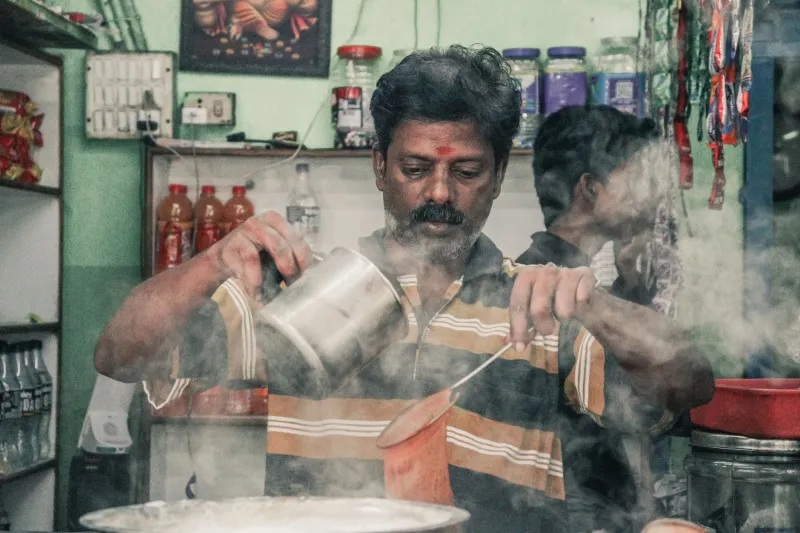
For the uninitiated, Mumbai's street drink scene is a sensory experience unlike anything else. Masala chai — the real stuff, not the syrup-soaked imitation at your local coffee chain — is a bold, spiced brew of black tea simmered with ginger, cardamom, cloves, cinnamon, and black pepper, finished with full-fat milk and enough sugar to make you feel genuinely alive. Nimbu pani is essentially India's answer to lemonade, but brighter and more complex, spiked with black salt, cumin, and fresh mint. And sugarcane juice, pressed fresh from thick stalks right on the street, is earthy, grassy, and naturally sweet in a way that processed sugar simply cannot replicate.
These aren't delicate, subtle flavors. They're loud. They're bold. They demand your attention. And that's precisely why American mixologists are obsessed.
"There's a real fatigue around the same old cocktail profiles," explains Priya Nair, co-owner of Chai Bar Collective, a rapidly expanding café concept with locations in Chicago and Denver. "Customers kept asking for something that actually made them feel something. And these Mumbai-inspired flavors do exactly that — they're warming, they're nostalgic for South Asian customers, and they're completely revelatory for everyone else."
The Establishments Leading the Charge
Across the country, a new wave of drink destinations is putting Mumbai street culture front and center — and doing it with serious craft.
In Los Angeles, The Tapri (tapri being the Hindi slang for a roadside tea stall) has built an entire identity around elevated desi beverages. Their signature Nimbu Negroni swaps out the usual citrus for fresh nimbu pani base, adding black salt and a cumin-smoked rim. It sounds unusual. It absolutely works. The place has a months-long waitlist for weekend reservations.
Over in Nashville — yes, Nashville — a café called Golden Hour Chai has become a local phenomenon almost entirely through TikTok, where their slow-pour sugarcane lemonade, made with fresh-pressed cane juice and pink Himalayan salt, has racked up millions of views. Owner Deepa Krishnamurthy started the business out of her home kitchen during the pandemic and opened a brick-and-mortar location in 2023 after demand simply outgrew her dining room.
"My grandmother would make sugarcane juice for us every summer in Chennai," Deepa says. "I wanted Americans to experience that same feeling — that specific kind of refreshment that nothing else can give you. I think people are hungry for real ingredients and real stories behind what they're drinking."
In Brooklyn, bar program director Aisha Reyes at Monsoon Room has taken a more cocktail-forward approach. Her menu features a Bhelpuri Bloody Mary (don't knock it until you try it), a masala chai espresso tonic, and a nimbu pani gin fizz that's been featured in both Bon Appétit and Food & Wine this year. "Mumbai street food and drinks have this incredible complexity that you can build a serious cocktail program around," Aisha says. "It's not a gimmick. It's genuinely sophisticated flavor architecture."
Why American Consumers Are Here for It
The timing of this trend makes a lot of sense when you zoom out. American consumers — particularly millennials and Gen Z — have been moving steadily away from overly sweet, one-dimensional drinks for years. The craft cocktail movement trained people to appreciate complexity. The wellness boom made them curious about functional ingredients like ginger, turmeric, and adaptogens. And a growing appetite for global cuisines has made bold, unfamiliar flavor combinations feel exciting rather than intimidating.
Mumbai's street drinks tick every single one of those boxes. Ginger and cardamom have documented anti-inflammatory properties. Black salt adds a mineral depth that makes drinks taste more interesting. Fresh sugarcane juice is unprocessed and naturally energizing. And the whole experience comes wrapped in a story — centuries of street culture, of community, of vendors who have perfected their craft over generations.
"People don't just want a drink anymore," says Priya from Chai Bar Collective. "They want a conversation piece. They want to learn something. These beverages have that built in."
How to Get Your Fix Right Now
If you're not lucky enough to live near one of these spots, the good news is that Mumbai-style beverages are genuinely easy to explore at home. A proper masala chai takes about fifteen minutes and a handful of spices you can find at any Indian grocery store — or increasingly, at Whole Foods and Trader Joe's. Nimbu pani is even simpler: fresh lime juice, water, a pinch of black salt (kala namak, available on Amazon), a pinch of roasted cumin powder, and mint. Adjust the salt and sweetness to taste and you've got something that will make your usual lemonade feel incredibly boring by comparison.
For the cocktail enthusiasts, try adding a masala chai syrup (equal parts brewed chai and sugar, reduced slightly) to your next whiskey sour. You're welcome.
The Mumbai street drink revolution isn't coming. It's already here, it's already delicious, and it's only getting louder. Get ahead of it now — your taste buds will absolutely thank you.