Desi Moms Are Eating the Influencer Industry Alive — and Brands Are Scrambling to Keep Up
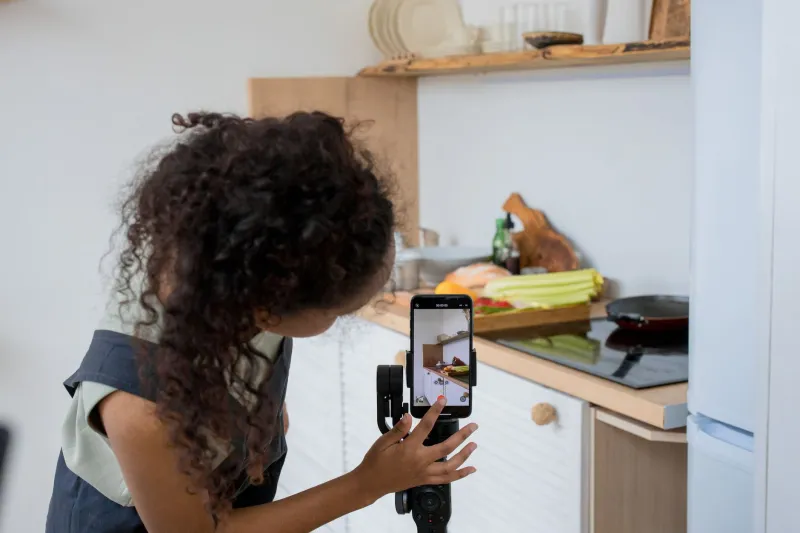
Somewhere in suburban New Jersey, a woman in her mid-fifties is filming herself making dal in her kitchen while simultaneously roasting her daughter's American boyfriend for not knowing what cardamom smells like. She's not using a ring light. Her thumbnail isn't professionally designed. She definitely didn't hire a social media strategist. And she has 340,000 followers who would watch her do literally anything.
Meet the desi mom creator — the accidental influencer who is currently making the entire $21 billion influencer marketing industry look extremely inefficient.
The Authenticity Gap That Brands Couldn't Close
For the past several years, the influencer marketing industry has been quietly having an identity crisis. Audiences are increasingly allergic to polished, sponsored content. Engagement rates on traditional influencer posts have been declining. Gen Z in particular has developed an almost supernatural ability to detect inauthenticity, and they exit immediately when they smell it.
Brands responded by telling influencers to "be more real" — which produced a very specific genre of performed authenticity that somehow felt even faker than the stuff it replaced. The "no-makeup" selfie with perfect lighting. The "messy bun" that took forty-five minutes. The "honest review" that arrived with a $5,000 gifting package.
Then there's Sunita Patel from Sacramento, who went viral posting a video of herself explaining to her American son-in-law why his store-bought naan is a personal insult to her ancestors. She wasn't performing authenticity. She was just being herself. The comments section exploded — not just from South Asian viewers recognizing their own mothers, but from people of every background who simply recognized a real human being.
What Makes Desi Mom Content Actually Work
The content formula — if you can even call it that — is pretty consistent across the creators who are breaking through. There's food, always. There's family dynamics, usually involving at least one generational clash over something mundane. There's an unapologetic confidence that comes from decades of not caring what strangers think. And there's humor that doesn't require a setup because the entire premise is the setup: I am your mother, I know everything, and I will tell you exactly what I think.
Creators like @masalachaimom on TikTok and various YouTube channels built around Indian family life in America have found that their most-watched content isn't the recipe tutorials or the cultural explainers — it's the unscripted moments. The reaction to a Western food trend. The phone call with relatives back in India. The running commentary on American customs that seems absurd when viewed from outside.
This content works on multiple levels simultaneously. For South Asian diaspora audiences, it's recognition — seeing their own home life reflected back with affection and humor. For non-South-Asian viewers, it's a window into a culture that's warm, specific, and genuinely funny. And for everyone, it's a reminder that the most interesting people on the internet are often the ones who have absolutely no idea they're supposed to be performing.
Brands Are Late, But They're Arriving
The marketing industry is starting to connect the dots, though it's moving with the urgency of someone who just realized the train left ten minutes ago. A handful of forward-thinking brands — particularly in food, home goods, and wellness — have begun approaching desi mom creators for partnerships, and the results are significantly outperforming comparable campaigns with traditional influencers.
The engagement numbers tell the story. A post from a mid-tier desi mom creator with 80,000 followers routinely outperforms sponsored content from lifestyle influencers with ten times the audience. Comments aren't just likes and fire emojis — they're paragraphs. People are tagging their own mothers. Sharing with cousins. Saving for later. The community behavior around this content looks less like passive consumption and more like a neighborhood.
Maya Singh, a digital marketing consultant in New York who works with South Asian-owned businesses, has been making this case to mainstream brands for two years. "The ROI conversation is easy once you show them the data," she says. "But the harder conversation is about letting go of control. These creators are not going to hit your talking points. They're going to tell their audience exactly what they think of your product, which is terrifying for most brand managers and also exactly why it works."
The Bollywood Thread
Here's where it gets particularly interesting for anyone paying attention to how Indian culture is moving into American mainstream: desi mom creators are functioning as organic Bollywood ambassadors in a way that no studio marketing campaign has ever managed.
A mom reacting to her daughter watching a Bollywood film for the first time. A mom explaining why a particular song from the nineties makes her cry. A mom teaching her American grandkids a dance step from a classic film she saw in the theater forty years ago. This content is introducing Bollywood to American audiences through the most trusted possible messenger — someone's actual mother — and it's landing in a way that algorithmic recommendation never quite does.
Brands associated with Indian entertainment, streaming platforms carrying Bollywood content, and even American companies looking to reach South Asian consumers are beginning to recognize that these creators are sitting on something genuinely valuable: access, trust, and an audience that actually listens.
The New Gold Standard
What desi mom creators have stumbled into — or rather, what they've always had and the rest of the internet is only now recognizing — is the original premise of social media before the industry got its hands on it. Real people, real lives, real opinions, shared with genuine community rather than manufactured audience.
The irony is that the influencer industry spent years and billions of dollars trying to engineer exactly this, and a woman in New Jersey making chai while judging her son's cooking technique just... already had it.
Smart brands are going to figure this out. The ones who get there first are going to look very, very smart. The rest will keep paying for ring-lit mediocrity and wondering why nobody's watching.