One Scarf to Rule Them All: The Dupatta Is Rewriting America's Accessory Playbook
One Scarf to Rule Them All: The Dupatta Is Rewriting America's Accessory Playbook
Somewhere between a silk belt cinched over a blazer and a hand-embroidered headwrap catching golden hour light on someone's Instagram Reels, America quietly fell in love with a piece of fabric it barely knew existed two years ago. The dupatta — a flowing, often intricately worked scarf that has anchored South Asian dress for centuries — is having its moment, and honestly, it was only a matter of time.
Forget the chunky statement necklace. Forget the baseball cap. The dupatta is the one accessory doing fifteen jobs at once, and American stylists are absolutely losing their minds over it.
What Even Is a Dupatta, and Why Does It Matter?
If you've ever watched a Bollywood film — and if you're here, you probably have — you've seen a dupatta in action. It's the long, sheer or heavily embroidered panel of fabric that flows from a salwar kameez or lehenga, sometimes draped over both shoulders, sometimes pinned artfully to one side, sometimes used by a heroine to playfully hide her face during a rain-soaked dance number. Cinematic? Absolutely. But its roots run much deeper than any film set.
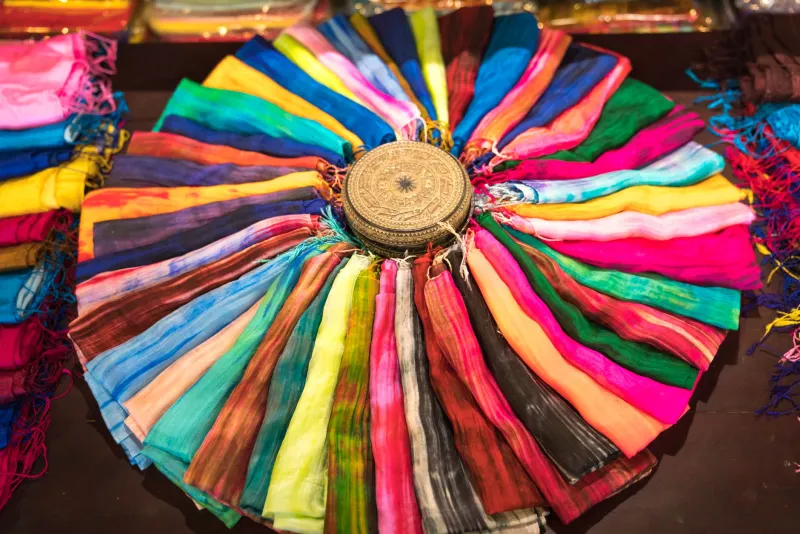
In Mumbai's legendary textile markets — particularly the labyrinthine lanes of Mangaldas Market in the heart of the city — dupattas come in every conceivable weight, weave, and embellishment. Chikankari from Lucknow, bandhani from Gujarat, phulkari from Punjab, zardozi-embroidered silk from Varanasi. Each regional style tells a different story, carries a different craft tradition, and represents generations of artisan skill passed down through families who have worked the same looms for hundreds of years. The dupatta was never just an accessory — it was cultural identity, stitched into every thread.
For decades in the West, it was largely invisible outside of South Asian communities. Then the internet happened, and everything changed.
The TikTok Tipping Point
Credit where it's due: South Asian creators on TikTok and Instagram have been styling dupattas in boundary-pushing ways for years, long before mainstream American fashion caught wind. Influencers like @desifashionista and a wave of second-generation Indian-American women started showing their followers how to knot a dupatta into a crop top, layer one over a denim jacket, or use an embroidered piece as a dramatic skirt wrap. The comments sections went predictably wild — half the audience recognizing the fabric from their grandmother's wardrobe, the other half furiously typing "where do I get this."
That curiosity snowballed. Fashion editors at major American publications started name-dropping the dupatta in trend roundups. Stylists on editorial shoots started pulling pieces from Indian boutiques and Etsy sellers specializing in vintage South Asian textiles. And then the runways happened.
Several independent American designers — particularly those with roots in New York's thriving multicultural fashion scene — started incorporating dupatta-style panels into their collections, sometimes crediting the influence directly, sometimes less so. Either way, the silhouette, the drape, the sheer embroidered fabric suddenly felt fresh and completely new to an American audience that had never had access to it before.
So Many Ways to Wear It — Seriously, All of Them
Here's what makes the dupatta genuinely different from every other "it" accessory of the moment: its versatility is almost absurd.
As a belt: Take a narrower dupatta in a solid silk or a lightweight georgette, fold it lengthwise, and wrap it around the waist of a simple sundress or high-waisted trousers. Knot it at the side or let the ends trail. Instant transformation, zero effort.
As a headwrap: This one has been massive on the street style circuit. A wide, block-printed cotton dupatta folded and tied at the nape of the neck gives off energy that no generic hair scarf can replicate. The prints are bolder, the fabric drapes differently, and the whole look reads as intentional in a way that feels genuinely editorial.
As a shawl or wrap: The OG use case, and still completely valid. Throw a heavily embroidered dupatta over a simple black dress for a dinner out and watch every person in the restaurant ask you about it.
As a table runner or home décor accent: Okay, this one might sound unexpected, but hear it out. A stunning hand-embroidered dupatta laid across a dining table or draped over a console adds a texture and richness that no mass-produced table runner from a big-box store can touch. Interior designers have been quietly doing this for years.
As a bag accent: Tie one around the strap of a plain tote or handbag. Instant personality, and it costs a fraction of whatever designer bag charm you were about to impulse-buy.
The Cultural Conversation Worth Having
Here's where we slow down for a second, because it matters. The dupatta's rise in American fashion is exciting — genuinely, legitimately exciting — but it comes with a responsibility that the fashion industry doesn't always get right.
Wearing a dupatta beautifully is one thing. Understanding where it comes from, who made it, and what it means to the communities that have carried this tradition for generations is another thing entirely. The best version of this trend — the version worth celebrating — is the one where American consumers are actually buying from Indian artisans, from South Asian-owned boutiques, from the skilled craftspeople in places like Jaipur and Amritsar and Lucknow whose livelihoods depend on keeping these textile traditions alive.
That means doing a little homework before you click purchase. It means choosing a hand-embroidered phulkari dupatta from a verified artisan collective over a machine-made imitation from a fast fashion brand that slapped a vaguely ethnic print on a polyester rectangle. The real thing is out there, it's accessible, and buying it actually means something beyond just looking incredible at brunch.
South Asian fashion creators have been vocal about this distinction, and they're right to be. The dupatta's moment in America is only worth celebrating if it lifts the communities that created it.
Where to Start Your Dupatta Journey
For Americans who are new to this world, the entry points are better than ever. Etsy has a robust selection of authentic dupattas from Indian sellers, ranging from simple cotton block-prints perfect for everyday styling to heavily embellished silk pieces that could anchor an entire outfit. Indian-American boutiques in cities like Chicago, Houston, New Jersey, and the Bay Area often carry a curated selection, and the staff can give you actual context about what you're buying.
If you're in New York, the stretch of Jackson Heights in Queens is essentially a dupatta lover's paradise — fabric stores and sari shops with rolls of embroidered fabric stacked floor to ceiling, run by people who genuinely love talking about the craft.
And if you ever find yourself in Mumbai — in the glorious, overwhelming chaos of Mangaldas Market — just know that you will not leave with fewer than three. That's simply not how it works.
The Bottom Line
The dupatta has been waiting patiently for this moment, draped across the shoulders of millions of South Asian women who knew exactly how extraordinary it was all along. America is just catching up, and that's okay. The important thing is that the catching up happens with curiosity, with respect, and with a genuine appreciation for the centuries of craft and culture wrapped up in every single yard of fabric.
Your wardrobe has been missing something. You just didn't know it had a name.