Your Spice Rack Is an Embarrassment — Mumbai's Masala Magic Is Here to Fix That
Your Spice Rack Is an Embarrassment — Mumbai's Masala Magic Is Here to Fix That
Let's be honest. That little spinning rack sitting on your counter — the one with the half-empty garlic powder, the oregano you bought in 2019, and the paprika you've used exactly once — is not doing you any favors. American home cooks have been playing it tragically safe for decades, and Mumbai's spice culture is here with a full intervention.
Because here's the thing nobody tells you until it's too late: seasoning isn't just a finishing touch. In Mumbai kitchens, it's the entire conversation. And right now, that conversation is happening loudly, joyfully, and deliciously in cities all across the United States.
The Masala Awakening Is Real — and It's Happening in Your City
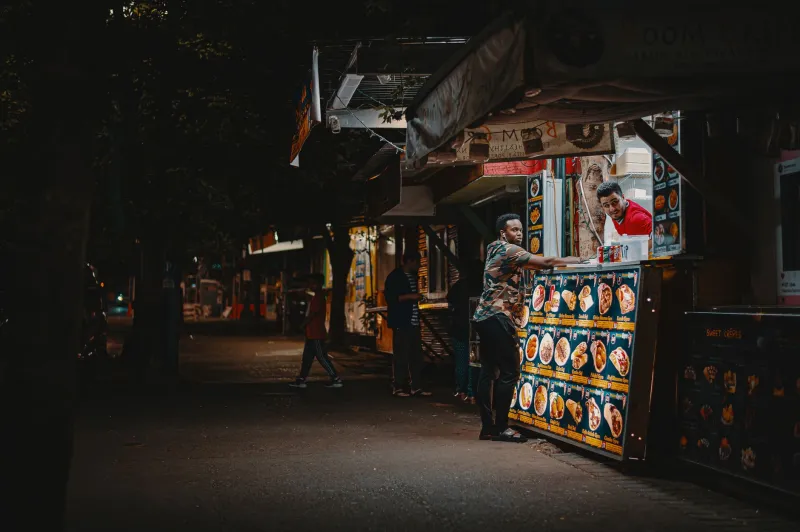
Indian grocery stores in the US have been quietly booming. Walk into any Patel Brothers, Apna Bazar, or Spice World location on a Saturday afternoon and you'll find a genuinely diverse crowd — South Asian families, yes, but also curious food bloggers, restaurant-obsessed millennials, and home cooks who got one too many TikToks about chaat masala and finally caved.
Spice imports from India to the US have surged significantly over the past few years, with garam masala, turmeric, and cumin leading the charge. Brands like MDH, Everest, and Shan — names that have been household staples in Mumbai homes for generations — are now stocked in mainstream grocery chains from Whole Foods to Walmart. That's not a trend. That's a full-blown cultural shift.
Food influencers have been a huge part of this. Scroll through YouTube or Instagram long enough and you'll find American home cooks having what can only be described as spiritual experiences after adding a teaspoon of chaat masala to their scrambled eggs or tossing roasted vegetables with a pinch of amchur (dried mango powder). The comments sections read like testimonials. "I will never cook the same way again." "Why did nobody tell me about this sooner?" "My life before this spice blend feels like a lie."
Exactly.
What Mumbai's Spice Pantry Actually Looks Like
To understand why this revolution is happening, you need to understand what makes Mumbai's approach to spice so different from the Western default.
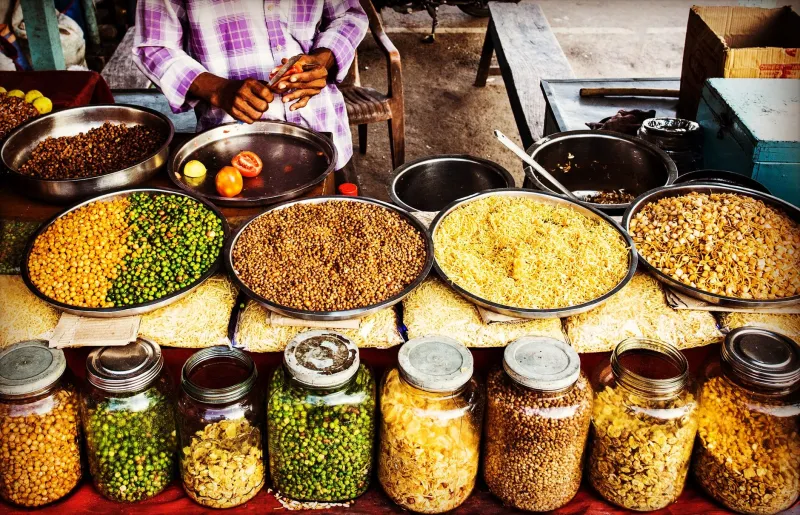
In Mumbai, masala isn't a single ingredient — it's a philosophy. Blends are layered with intention. Each one has a job, a personality, a specific moment where it belongs. Here's a quick breakdown of the heavy hitters:
Garam Masala — The crown jewel. A warm, aromatic blend of cumin, coriander, cardamom, cloves, cinnamon, and black pepper. It's added at the end of cooking to preserve its fragrance. Think of it as the final sentence in a really good story — it ties everything together.
Chaat Masala — The wildcard. Tangy, salty, slightly funky from black salt (kala namak), and absolutely addictive. Mumbaikars sprinkle it on fruit, street snacks, grilled corn, and basically anything that needs a jolt of life. Americans who discover this stuff tend to put it on everything for about three weeks straight. No judgment.
Pav Bhaji Masala — Named after Mumbai's most iconic street food, this blend is rich, slightly spicy, and deeply savory. It's what gives that famous buttery vegetable mash its unmistakable depth. Add it to a simple potato stir-fry and watch something ordinary become completely unforgettable.
Chole Masala — Built for chickpeas but honestly great on roasted cauliflower, lentils, or any protein that needs a bold, earthy kick.
Kashmiri Chili Powder — Not as brutal as cayenne, but it gives food that gorgeous red color and a slow, smoldering heat that builds beautifully.
This is just the starting lineup. Mumbai kitchens run deep.
Why American Cooking Has Been Missing This the Whole Time
Here's the uncomfortable truth: American seasoning culture has been incredibly timid. Salt, pepper, maybe some garlic powder — that's been the move for most households. Even the "adventurous" cooks have typically topped out at red pepper flakes or a pre-mixed "Italian blend" that tastes like it was designed to offend no one.
Mumbai's approach is the opposite of that. It's confident. It's layered. It's unapologetically bold. And crucially, it's not complicated once you understand the basics. You don't need to make your own spice blends from scratch (though you can, and it's genuinely fun). A good tin of garam masala and a packet of chaat masala from your nearest Indian grocery store will already put you miles ahead of where you were.
The other thing that surprises American cooks? How versatile these blends actually are. Garam masala in a grilled cheese. Chaat masala on popcorn. Pav bhaji masala in a pasta sauce. These aren't weird fusion experiments — they're just smart cooking, applying bold flavor where bland flavor used to sit.
The Influencer Effect — and Why It's Accelerating Everything
Social media has been the accelerant here, no question. When a creator with two million followers does a side-by-side of the same roasted chicken — one seasoned the American way, one with a Mumbai-style spice rub — and the difference is visually, audibly, and apparently aromatically obvious, people pay attention.
Creators like Priya Krishna, whose cookbook "Indian-ish" became a massive crossover hit, helped normalize the idea of pulling Indian spices into everyday American cooking without making it feel like a complicated cultural project. It's just cooking. Good cooking. Cooking that happens to have centuries of Mumbai culinary wisdom baked into it.
Foodie communities on Reddit, particularly r/IndianFood and r/Cooking, are full of threads from Americans who describe discovering Indian spice blends as a genuine turning point in their home cooking journey. The posts practically write themselves: "I finally made dal. I don't know what I've been doing with my life."
How to Start Your Own Masala Revolution at Home
You don't need a complete pantry overhaul on day one. Start with three:
- Garam masala — for curries, roasted meats, soups, and anywhere you want warmth and complexity.
- Chaat masala — for snacks, salads, grilled veggies, and any moment that needs a tangy punch.
- Turmeric — the golden child. Anti-inflammatory, beautifully colored, and earthy in a way that works in everything from rice to smoothies.
From there, let curiosity guide you. Visit your nearest Indian grocery store — and if you don't have one nearby, brands like Diaspora Co. and Burlap & Barrel are shipping high-quality Indian spices directly to your door with the kind of sourcing transparency that would make a Whole Foods shopper weep with joy.
The point is: there's no reason to keep cooking like your spice rack stopped evolving in 2008. Mumbai's masala tradition is one of the most sophisticated, vibrant, and deeply pleasurable flavor systems in the world — and it's been sitting right there, waiting for you to show up.
Throw out the dried oregano. It's time.